How Can We Build a Full-Stack Developer Portfolio Without Professional Experience?
Introduction
Among the most significant worries of new developers is how to develop a portfolio even when they lack professional experience. Most newbies are under the impression that they have to work full-time before developing an impressive portfolio. However, the truth is that you can develop an impressive portfolio even before working professionally.
Often, recruiters and hiring managers would be more fascinated by what you could create rather than where you have been employed. A portfolio is an indication of what you can do. It shows how creative you are, how you solve problems, and how committed you are to learning.
Whether you are learning independently or through a Full stack developer course, building a portfolio is one of the most effective ways to showcase your abilities and stand out in a competitive job market. The good news is that professional experience is not a requirement for creating an impressive portfolio.
Why a Portfolio Matters
A portfolio acts as your professional showcase.
It allows potential employers to evaluate:
- Your technical skills
- Your project building capabilities
- Your understanding of development concepts
- Your creativity and attention to detail
- Your passion for technology
A strong portfolio can often help bridge the gap between learning and employment by providing tangible proof of your abilities.
Start With Personal Projects
Personal projects are some of the best ways for you to prove your abilities.
It gives you an opportunity to put what you have learned into practice while gaining self-confidence in being a developer. Most importantly, personal projects demonstrate to future employers your proactivity and dedication to improving yourself continuously.
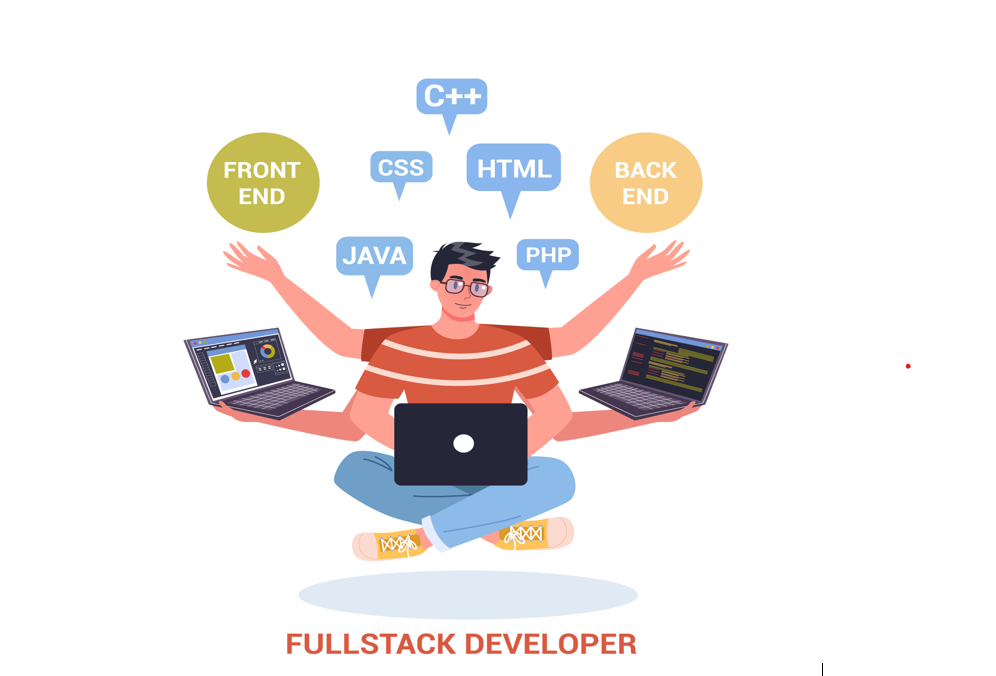
Try to make sure your projects reflect your knowledge of both front-end and back-end development.
Your projects should highlight:
- User interface design
- Database management
- Server side development
- Application functionality
- Problem solving approaches
The goal is to demonstrate your understanding of the full stack development process.
Create a Professional Portfolio Website
A portfolio website should be one of your first projects.
This site becomes the central place where employers can learn about your skills, projects, and background.
Your website can include:
- A professional introduction
- Technical skills
- Project showcases
- Learning achievements
- Contact information
Your ability to create and launch a fully-fledged web application is proven by building a website yourself.
A lot of students who enroll for Full Stack Developer Courses in Hyderabad prefer portfolio websites for their basic projects due to the various technical skills required for developing it.
Showcase Academic and Learning Projects
Even if you lack professional experience, you likely have projects completed during your learning journey.
Projects from:
- Online learning programs
- Coding bootcamps
- Academic coursework
- Personal learning challenges
- Technical workshops
can all be valuable additions to your portfolio.
What matters most is how effectively you present these projects. Explain the problem you were solving, the technologies you used, and the lessons learned during development.
Contribute to Open Source Projects
Open source contributions can strengthen a portfolio significantly.
Participating in collaborative projects demonstrates that you can:
- Work with existing codebases
- Understand development workflows
- Collaborate with other developers
- Follow coding standards
- Learn from community feedback
Employers often appreciate candidates who actively engage with the developer community because it reflects initiative and continuous learning.
Focus on Quality Over Quantity
Many beginners assume that a portfolio needs a large collection of projects.
In reality, a few well developed projects are often more valuable than many incomplete ones.
Each project should demonstrate:
- Clean design
- Functional performance
- Well organized code
- Clear project documentation
- Practical problem solving
Quality projects leave a stronger impression and showcase professionalism.
Document Your Development Process
Portfolios are more than just showing off what you've made.
Your potential employer may want to know how you think and reason. Showing how you developed can offer much insight.
For each project, consider including:
- Project objectives
- Technologies used
- Challenges encountered
- Solutions implemented
- Key lessons learned
This helps hiring managers understand your approach to development and demonstrates strong communication skills.
Highlight Technical Skills Clearly
Your portfolio should clearly communicate your technical expertise.
Create a dedicated section for skills such as:
- Front end development
- Back end development
- Database management
- Application deployment
- Version control
- Development tools
Professionals completing a Full stack developer course in Hyderabad often acquire a broad range of technical competencies. Organizing these skills effectively helps employers quickly understand your capabilities.
Demonstrate Real World Problem Solving
Employers often look for developers who can solve meaningful problems.
Projects should showcase your ability to think critically and create practical solutions.
Focus on building applications that demonstrate:
- User focused design
- Efficient functionality
- Logical workflows
- Data management
- Responsive interfaces
Problem solving ability is often valued as highly as technical knowledge.
Keep Your Portfolio Updated
Technology evolves continuously, and so should your portfolio.
As you learn new skills and complete additional projects, update your portfolio regularly.
Maintaining an up to date portfolio demonstrates:
- Commitment to learning
- Professional growth
- Adaptability
- Current technical knowledge
Continuous improvement can significantly strengthen your appeal to potential employers.
Include a Strong Professional Profile
Your portfolio should communicate more than technical abilities.
A concise professional summary can help employers understand:
- Your career goals
- Areas of interest
- Technical strengths
- Learning journey
- Professional aspirations
This personal touch allows employers to connect your projects with your long term career objectives.
Build Confidence Through Consistency
A lot of developers do not want to share what they have done because they think that it is not yet perfect.
But building a portfolio is an experience in learning. All your projects help you grow as a developer.
Sometimes, consistency can matter even more than perfection.
It is very common for the students who have been attending the Full Stack Developer Course in Hyderabad to find that project development on an ongoing basis is useful in gaining confidence and experience.
Conclusion
A portfolio for full stack developer that does not include any professional experience is entirely possible, and at times necessary, when beginning a successful career. Companies need proof that you have the skill set, creativity, and ability to implement what you know into practice. There are many ways to prove your capabilities, from personal projects to portfolio websites and open source projects.
It doesn’t matter whether you are studying alone or enrolled in any Full Stack developer course; your portfolio can end up being one of your most valuable assets in your job hunt process. In the same way, those who are undergoing a Full Stack Developer course in Hyderabad can take advantage of portfolio building.
It is all about being able to concentrate on the quality, improvement, and problem-solving skills. A good portfolio shows an employer not only your knowledge, but also your ability to produce something, thus becoming a great step towards a future successful career in full stack development.